
Xleox: the Emerging Tech Platform Reshaping Digital Workflows

From major highlights to background context, get a complete picture of Xleox: the Emerging Tech Platform Reshaping Digital Workflows in our latest feature.
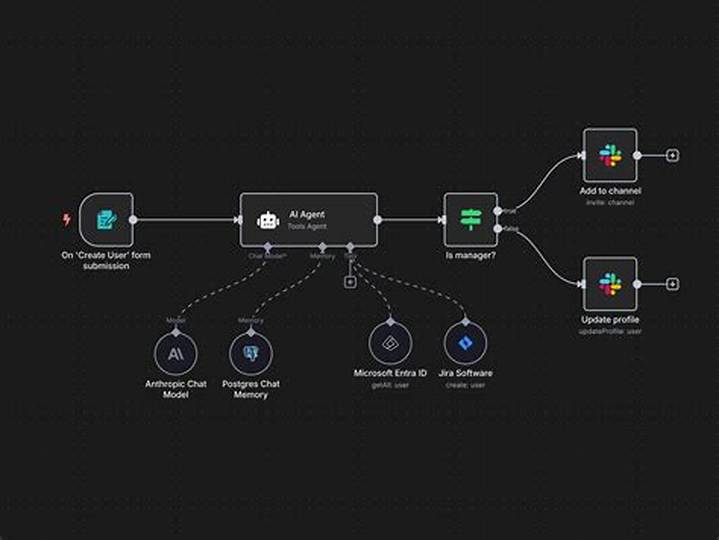
Why should a team consider xleox over established competitors like Asana, Trello, or Monday.com? The answer lies in its unique combination of simplicity and power. Xleox is easier to set up than many enterprise tools, yet it offers advanced features that smaller platforms lack.
One major benefit is reduced tool sprawl. By replacing multiple apps with a single platform, teams save money and reduce complexity. There is also a significant productivity gain. Studies show that workers spend nearly 20% of their time searching for information. Xleox centralizes data, making it easy to find what you need.
Another advantage is improved transparency. With xleox, everyone can see the status of projects and tasks. This reduces the need for status meetings and email updates. Team members can focus on doing the work rather than reporting on it.
Potential Drawbacks and Considerations
No platform is perfect, and xleox has its limitations. Some users report that the initial learning curve can be steep, especially for teams unfamiliar with workflow automation. The platform’s flexibility means there are many settings to configure, which can be overwhelming at first.
Another consideration is pricing. While xleox offers a free tier with basic features, the more powerful automation and integration capabilities require a paid subscription. For small teams with limited budgets, this could be a barrier. However, the cost is competitive with other enterprise-grade tools.
Finally, as a relatively new entrant, xleox has a smaller community and fewer third-party resources than more established platforms. This means finding tutorials or troubleshooting help might be more challenging. The company is actively building its support ecosystem, but it will take time to mature.
Sophia analyzes international trade, startup ecosystems, retail transformation, and supply chain logistics for modern digital publications.
